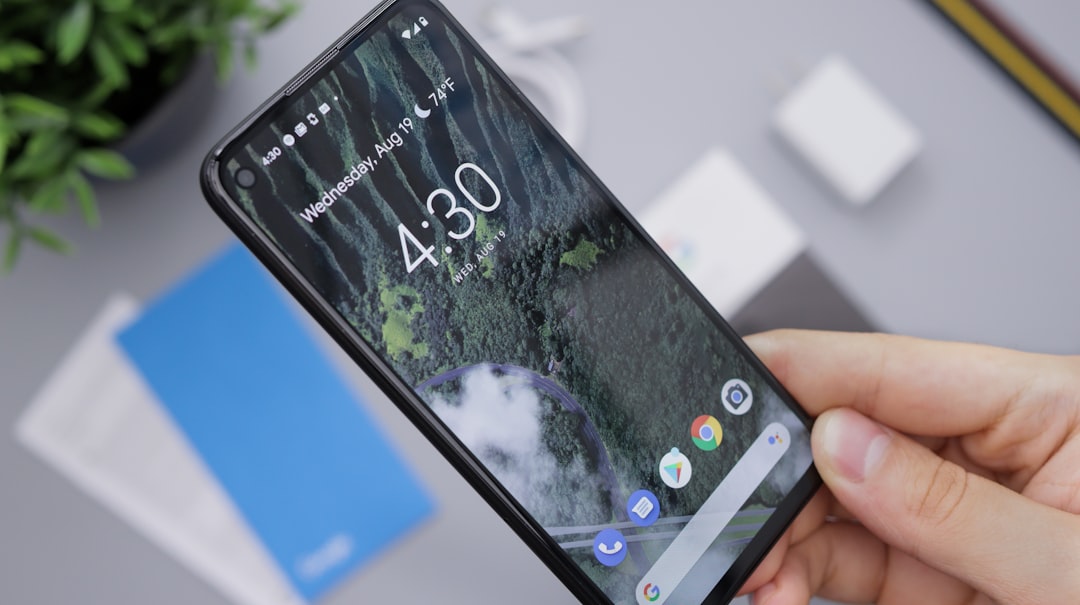
Stop-Unwanted-Texts in Pennsylvania: An In-Depth Analysis
Introduction
In the age of digital communication, few experiences are as universally disliked as receiving unwanted text messages. In Pennsylvania, a state with a diverse population and a thriving telecommunication industry, the issue of unsolicited texts has become a significant concern for residents. This article delves into the measures being taken to combat this nuisance through "Stop-Unwanted-Texts in Pennsylvania" (hereafter referred to as "SUWT-PA"), its impact on consumers and businesses alike, and the broader implications for privacy and digital etiquette.
Understanding Stop-Unwanted-Texts in Pennsylvania
"Stop-Unwanted-Texts in Pennsylvania" is a comprehensive initiative aimed at addressing the influx of unsolicited text messages that consumers receive daily. It encompasses legislative measures, consumer education programs, and technological solutions designed to curb this unwelcome intrusion into personal space. The core components of SUWT-PA include:
- Consumer Rights: Outlining the rights of consumers to opt-out of receiving marketing texts and defining penalties for violations.
- Legislation: Enacting state laws that provide a legal framework to protect individuals from such harassment.
- Technology: Developing and promoting apps and services that filter out unwanted messages.
- Education: Raising awareness about the rights of consumers and how they can protect themselves against unwanted texts.
Historically, Pennsylvania has been at the forefront of consumer protection laws. SUWT-PA is a natural extension of this legacy, adapting to the digital age and ensuring that residents are not subjected to invasive marketing tactics.
Global Impact and Trends
The issue of unwanted text messages is not confined to Pennsylvania; it is a global concern. The rapid growth of mobile device usage worldwide has led to an increase in spam texts. Key trends shaping the trajectory of "stop-unwanted-texts" initiatives include:
- Cross-Border Cooperation: As unsolicited texts often originate from outside national boundaries, cooperation between countries is essential.
- Technological Innovation: The development of new anti-spam technologies is critical in the fight against unwanted messages.
- Consumer Awareness: Educating consumers on how to protect themselves is a crucial component of any strategy to reduce unwanted texts.
Different regions are affected by this issue in various ways, with some areas experiencing more severe problems due to less stringent regulations or higher rates of mobile usage.
Economic Considerations
The economic aspects of unwanted text messages are multifaceted. On one hand, spam texts can represent a loss of productivity and a potential threat to consumer trust. On the other hand, the fight against unwanted texts creates opportunities for innovation in anti-spam technology and can lead to new business models focused on protecting consumer privacy.
Market dynamics are influenced by the need for businesses to maintain customer relationships without resorting to intrusive marketing methods. Investment patterns reflect a growing interest in cybersecurity solutions that can protect consumers while also respecting their privacy preferences. SUWT-PA plays a role in shaping these economic considerations by setting standards and expectations for business conduct within Pennsylvania's markets.
Technological Advancements
Technological advancements have been pivotal in the fight against unwanted texts. From simple filtering systems that block known spammers to sophisticated machine learning algorithms that detect and prevent new forms of abuse, these technologies are constantly evolving. The impact of these advancements includes:
- Improved Filtering: Consumers are now better equipped to distinguish between legitimate messages and spam.
- Proactive Monitoring: Some service providers have adopted a proactive approach, monitoring networks for suspicious activity before it affects consumers.
- Data Security: The broader context of these advancements includes the protection of personal data from being misused or exploited.
The future potential of technological solutions is vast, with continued research and development aimed at creating more robust defenses against unwanted texts.
Policy and Regulation
Pennsylvania's approach to policy and regulation has been both proactive and responsive. The state has implemented a range of measures that include:
- Clear Guidelines: Defining what constitutes an unwanted text and the legal recourse available to consumers.
- Strict Enforcement: State authorities actively monitor and enforce regulations, imposing penalties on offenders.
- Consumer Protection Agencies: These agencies provide resources and support to consumers affected by unwanted texts.
These policies have influenced the development of similar initiatives across the United States and have contributed to international discussions on consumer privacy and digital rights.
Challenges and Criticisms
Despite the progress made, SUWT-PA faces several challenges and criticisms. These include:
- Technological Evolution: Spammers continuously adapt their methods, making it a never-ending game of cat and mouse.
- Legal Limitations: The legal framework must be both stringent enough to deter spamming and flexible enough to adapt to new technologies and methods.
- Consumer Compliance: Encouraging consumers to report unwanted texts and to understand their rights can be a significant hurdle.
Addressing these challenges requires a concerted effort from all stakeholders, including technology providers, regulatory bodies, and consumers themselves.
Conclusion
SUWT-PA represents a comprehensive effort by Pennsylvania to protect its residents from the nuisance of unwanted text messages. The initiative's success lies in its ability to integrate legislative action, technological innovation, and consumer education within an economic context that values privacy and trust. While challenges remain, the ongoing commitment to this cause demonstrates a dedication to safeguarding the digital rights of consumers and ensuring a safer, more secure environment for all. As technology evolves, so too must the strategies to combat unwanted texts, ensuring that Pennsylvania remains at the forefront of consumer protection in the digital age.
February 23, 2026
stop unwanted texts Pennsylvania Expert
Pennsylvania's Spam Call Laws strictly regulate automated calls unless prior consent is given. Fines reach $1,000/day for violations. Consumers should block unknown numbers, register on the National Do Not Call Registry, and be wary of deceptive robocalls seeking personal info. A Spam Call law.......
Read more →
February 21, 2026
stop unwanted texts Pennsylvania Expert
Scam texts and robocalls are prevalent in Pennsylvania, with common scams like fake lottery wins and phishing attempts. To counter these threats, individuals should stay vigilant, verify requests for personal info, block unknown numbers, register on Do Not Call lists, and educate themselves about em.......
Read more →
February 17, 2026
stop unwanted texts Pennsylvania Expert
Spam texts are a significant issue in Pennsylvania, with over 70% of consumers receiving them monthly from local businesses, national retailers, and scammers. Automated dialer systems and personalized texts using public records facilitate this. To combat spam: utilize built-in filtering tools, repor.......
Read more →
February 15, 2026
stop unwanted texts Pennsylvania Expert
Spam texts and calls pose a growing problem in Pennsylvania, driven by automated communication technologies. While Do Not Call laws offer some protection, their effectiveness is limited for text messages due to decentralized messaging services and spammers' evasive tactics. To combat this issue.......
Read more →
February 13, 2026
stop unwanted texts Pennsylvania Expert
Pennsylvania's Spam Call law firm enforces strict anti-robocall laws with substantial fines, protecting consumers from automated, prerecorded, and text spam calls. The Attorney General's office tracks and traces robocalls using advanced tech, investigates complaints, and pursues legal acti.......
Read more →
February 8, 2026
stop unwanted texts Pennsylvania Expert
Pennsylvania faces a significant issue with spam robocalls and texts, prompting a multi-faceted response. Legal experts advocate for stricter regulations, blocking mechanisms, and consumer education. Residents have robust legal protections and can report suspicious calls to the PUC. Advanced call-bl.......
Read more →
February 3, 2026
stop unwanted texts Pennsylvania Expert
Phishing texts using impersonation tactics pose a significant cybersecurity threat in Pennsylvania under strict robocall laws. Scammers target individuals with urgent requests, bypassing legal restrictions by using automated text services. Protect yourself by verifying senders, examining links, repo.......
Read more →
February 1, 2026
stop unwanted texts Pennsylvania Expert
Spam texts and robocalls are prevalent issues in Pennsylvania, regulated by the Telephone Consumer Protection Act (TCPA). Individuals can protect themselves by blocking numbers, reporting calls, using smartphone features, registering for Do Not Call lists, and employing third-party apps. Robocall At.......
Read more →
January 30, 2026
stop unwanted texts Pennsylvania Expert
Pennsylvania's Spam Call laws protect seniors from robocalls through strict telemarketing regulations enforced by dedicated Spam Call law firms. Key provisions include time restrictions, explicit consent requirements, and an easy opt-out process for consumers registered on the Do Not Call regis.......
Read more →
January 24, 2026
stop unwanted texts Pennsylvania Expert
Political robocalls pose a significant challenge in Pennsylvania elections, impacting voter trust. Robocall lawyers navigate legal complexities, ensuring compliance with anti-robocall laws. Key strategies include script analysis, consent management, and maintaining records. Reporting suspicious call.......
Read more →