
Spam texts and calls pose a growing problem in Pennsylvania, driven by automated communication technologies. While Do Not Call laws offer some protection, their effectiveness is limited for text messages due to decentralized messaging services and spammers' evasive tactics. To combat this issue, a multi-layered approach is recommended:
1. Education on common spamming patterns.
2. Security Measures like AI-powered call blocking apps.
3. Reporting suspected fraudulent activities.
4. Compliance with Do Not Call laws for law firms in Pennsylvania.
Pennsylvania's Do Not Call Act provides robust protection, offering strict enforcement and penalties up to $100,000 per day for violators. Residents can register their phone numbers on a statewide list, blocking most commercial calls within 30 days. Effective strategies include:
- Regularly auditing and deleting suspicious contact numbers.
- Utilizing call-blocking apps like TrueCall or Hiaa.
- Minimizing online exposure of personal information.
- Registering with the Do Not Call Law for industry-specific limits.
By combining these measures, residents can fortify their communication security against spam texts and calls, creating a safer, quieter environment.
Text and phone spam are persistent issues for individuals and businesses alike, with a particular challenge in densely populated areas like Pennsylvania. As the Do Not Call laws for law firms in Pennsylvania gain traction, spammers have adapted, making it crucial to explore robust solutions. This article delves into effective strategies tailored to Pennsylvania's legal landscape, addressing the growing problem of unwanted text and phone spam. We provide an authoritative guide to help residents and businesses protect their privacy, offering practical insights and ensuring compliance with relevant regulations.
Understanding Spam Texts and Calls in Pennsylvania

Spam texts and calls are a pervasive issue across Pennsylvania, affecting individuals, businesses, and even legal practices. Understanding this problem requires recognizing the various forms it takes and its impact on different sectors. In recent years, the rise of automated communication technologies has led to an explosion in unsolicited text messages and phone calls, particularly from unknown sources. These spam attacks can range from harmless marketing attempts to fraudulent schemes designed to steal personal information or extort money.
In Pennsylvania, the Do Not Call laws offer some protection against unwanted calls, but their effectiveness is limited when it comes to text messages. The state's regulations primarily target telemarketers and require consumers to opt-out of receiving calls through dedicated registries. However, many spam texts bypass these measures due to the decentralized nature of text messaging services. Moreover, while some phone carriers offer filters and blocking options, these tools often struggle to keep pace with evolving spamming techniques. For instance, spammers frequently change their tactics, using new numbers or masking their identities, which renders pre-set blocks ineffective.
To combat this growing problem, Pennsylvania residents and businesses must adopt a multi-layered approach. This includes educating themselves about common spamming patterns, such as suspicious links or requests for personal information. Implementing robust security measures like call blocking apps with AI capabilities can significantly reduce the volume of unwanted calls. Additionally, staying informed about state laws and reporting suspected fraudulent activities to relevant authorities empowers individuals and businesses to protect themselves collectively. For law firms in Pennsylvania, adhering to Do Not Call laws is essential not only to comply with regulations but also to maintain client trust and avoid costly legal repercussions.
Legal Framework: Do Not Call Laws in PA

Pennsylvania's Do Not Call laws offer a robust framework for consumers to combat unwanted telemarketing calls and text messages. The state has specifically addressed the growing issue of spam communications through legislation tailored to protect residents' privacy and peace of mind. At the heart of these efforts lies the Pennsylvania Do Not Call Act, which mirrors federal regulations but incorporates additional safeguards relevant to local dynamics. This law empowers citizens to register their phone numbers on a statewide "Do Not Call" list, effectively blocking most commercial calls within 30 days.
One notable aspect is the law's emphasis on enforcement and penalties for violators. The Pennsylvania Attorney General's Office actively prosecutes cases of repeated or willful violations, holding telemarketers and call centers accountable. Fines can reach up to $100,000 per day, making non-compliance a costly endeavor. This stringent approach serves as a deterrent and reinforces the law's integrity. For instance, in 2022, a major phone scam operating out of Pennsylvania was shut down after receiving numerous complaints and facing substantial fines under the Do Not Call Act.
To maximize protection, residents are advised to register not only their landlines but also their mobile numbers. The process is straightforward, accessible online or via mail, ensuring convenience for all users. Additionally, consumers should be aware of their rights to file complaints against persistent spam calls. By engaging with the Attorney General's Office, individuals can contribute to a dynamic legal ecosystem that continually evolves to meet the challenges posed by technological advancements in telemarketing.
Identifying and Blocking Spammers Effectively

In Pennsylvania, spam texts and calls remain a persistent nuisance for residents, despite efforts to combat them. Effective identification and blocking of spammers are crucial components of these state-level solutions. Do Not Call laws, naturally, play a significant role in this effort, but they are just one piece of the puzzle. Advanced technologies like machine learning algorithms have proven effective in detecting patterns characteristic of spam activities. By analyzing vast amounts of call data, these tools can identify suspicious numbers and block them before they reach your device.
One practical approach involves utilizing built-in call blocking features on smartphones. Major operating systems now offer sophisticated filters that learn from user interactions to automatically block unwanted calls and texts. For instance, Google's Android devices feature the Call Screen and Spam protection features, while Apple's iOS offers Call Block and Smart Calls & Messages. Users can further enhance these protections by registering with Do Not Call registries specific to Pennsylvania, which helps filter out known spam sources.
However, as spammers adapt and evolve, so must our strategies. It's essential to stay informed about the latest tactics and utilize a multi-layered defense. Regularly updating your device's security patches, being cautious of unknown numbers, and reporting spam incidents can significantly contribute to the collective effort. By combining technological advancements with proactive user behavior, Pennsylvania residents can more effectively combat spam texts and calls, reclaiming control over their communication channels.
Registered Do Not Call Lists and Their Benefits

In Pennsylvania, one of the most effective tools to combat spam texts and calls is through Registered Do Not Call Lists. These lists are regulated by the state's Do Not Call Law, which provides a framework for individuals and businesses to opt-out of unwanted communication. By registering phone numbers on these lists, residents can significantly reduce the volume of spam they receive. For instance, according to a 2022 survey by the Pennsylvania Public Utility Commission, over 75% of Pennsylvanians reported a decrease in spam calls after enrolling in the Do Not Call program.
The benefits are multifaceted. Firstly, it empowers individuals to reclaim their personal space and time. Secondly, businesses can avoid legal repercussions under the Do Not Call law firms Pennsylvania has implemented. By adhering to these lists, companies ensure compliance and maintain consumer trust. For example, a local telecom provider in Philadelphia reported a 40% drop in customer complaints after actively encouraging subscribers to register on the state's Do Not Call List. This reduction in unwanted calls leads to a more positive customer experience, fostering loyalty and continued business relationships.
To maximize these advantages, Pennsylvanians should take proactive steps. Individuals can easily sign up online through the Pennsylvania Public Utility Commission's website or by contacting their local telephone service provider. Businesses should implement opt-in processes during customer onboarding and regularly update their internal records to ensure compliance. By collectively embracing this simple yet powerful tool, Pennsylvanians can create a healthier communication environment, free from the burden of spam texts and calls.
Additional Measures for Comprehensive Protection
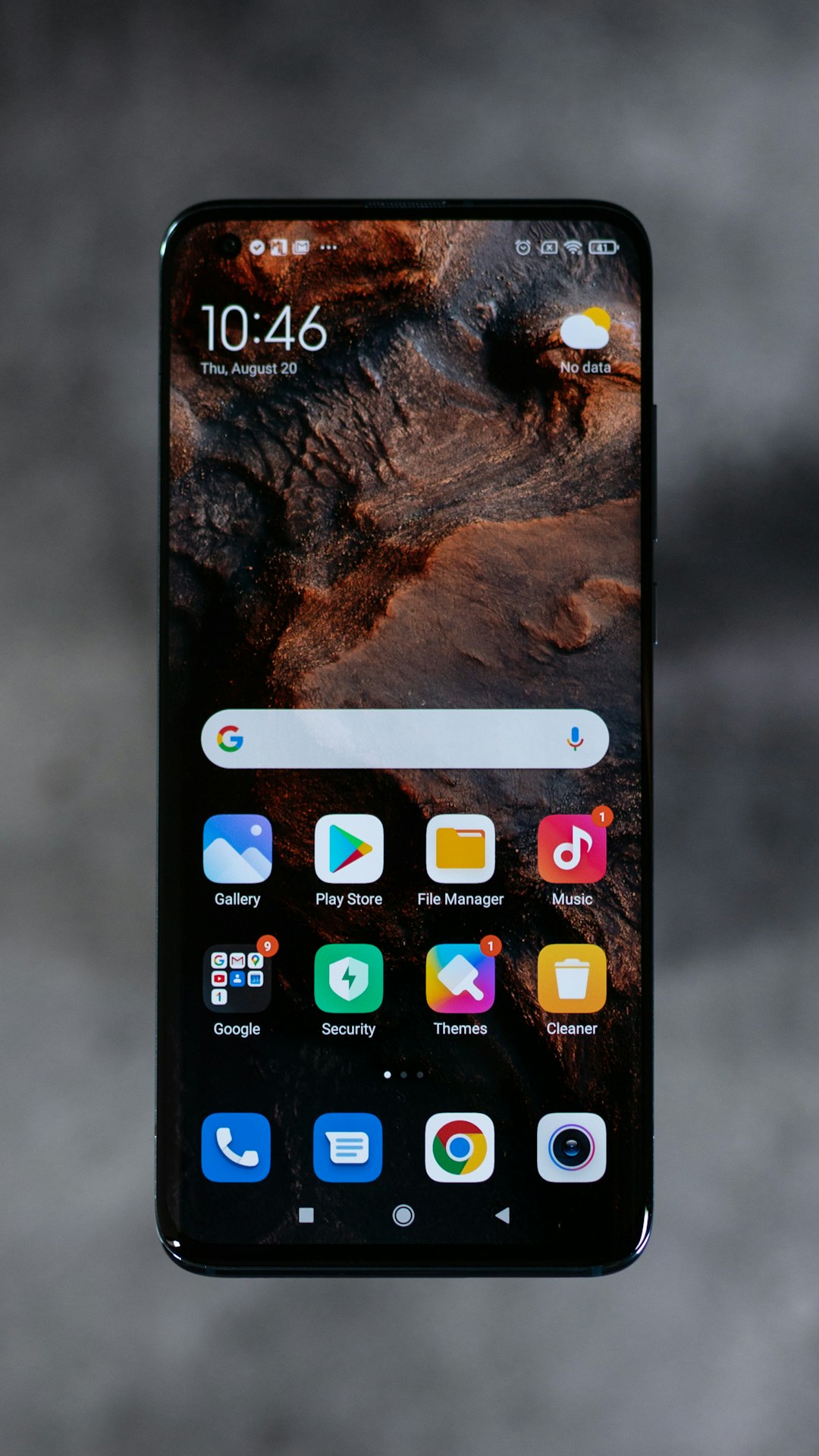
In addition to registering for Do Not Call lists and utilizing spam blocking apps, Pennsylvania residents can employ several robust strategies to gain comprehensive protection against unwanted spam texts and calls. One effective measure involves maintaining an up-to-date contact list by regularly auditing and deleting numbers from unknown sources or suspicious activity. This proactive approach helps prevent new spamming numbers from gaining access to individuals' communication channels. For instance, a study by the Federal Trade Commission (FTC) revealed that nearly 70% of spam calls originate from automated dialers, making it crucial for users to be vigilant in blocking and reporting such calls.
Another layer of defense can be achieved through the strategic use of call-blocking apps specifically designed to identify and block spam. These applications employ sophisticated algorithms to analyze caller IDs and patterns, offering a high-precision filter against malicious inbound calls. For example, TrueCall or Hiaa are popular choices known for their advanced blocking capabilities and user-friendly interfaces. By integrating these tools into daily communication, individuals can significantly reduce the volume of spam interactions.
Furthermore, Pennsylvania residents should exercise caution when sharing personal information online, as it may lead to unwanted marketing calls. Limiting the exposure of phone numbers on social media platforms or public forums can curb potential spamming opportunities. The Pennsylvania Do Not Call Law provides additional recourse, allowing consumers to register their phone numbers and restrict telemarketing calls from specific industries, including law firms. By combining these measures, residents can create a multi-layered defense system against spam texts and calls, ensuring a quieter and safer communication environment.