
Pennsylvania implements stringent robocall laws to protect residents from unwanted automated calls. Key measures include explicit consent requirements, an active enforcement mechanism with successful prosecutions, a robust Do-Not-Call Registry, and consumer education. The state's Attorney General's Office utilizes data analytics to disrupt robocall campaigns, collaborating with industry experts and advocates. These comprehensive strategies safeguard residents from intrusive telemarketing practices while balancing legitimate marketing efforts.
In the digital age, robocalls have become a ubiquitous yet often unwanted intrusion on our daily lives. With advancements in technology, these automated calls—driven by political campaigns, marketing firms, and debt collectors among others—have proliferated, leading to widespread consumer frustration. Pennsylvania, like many states, grapples with regulating this practice, aiming to balance legitimate communication with protections against nuisance calls. This article delves into the mechanisms Pennsylvania employs to enforce laws surrounding unwanted robocalls, shedding light on a complex interplay of legislation, enforcement, and consumer advocacy.
Understanding Pennsylvania's Robocall Laws: A Comprehensive Overview
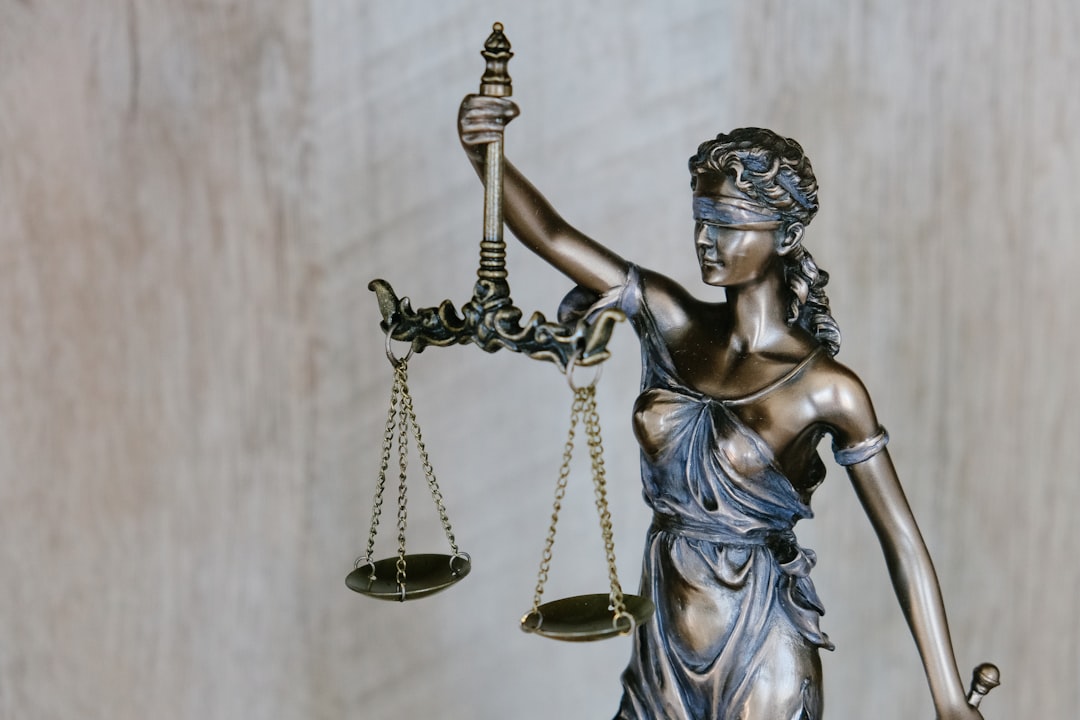
Pennsylvania has established robust robocall laws to protect residents from unwanted and fraudulent automated calls. The state's regulations are designed to balance consumer privacy rights with legitimate marketing efforts, ensuring a harmonious co-existence in the digital age. At the heart of these laws lies the requirement for clear consent, where businesses must obtain explicit permission before initiating automated phone calls for marketing purposes. This approach reflects a growing awareness of the annoyance and potential risks associated with unsolicited robocalls.
One notable aspect of Pennsylvania's robocall laws is their enforcement mechanism. The state's Attorney General's Office plays a pivotal role in investigating complaints related to violative robocalls. Consumers can file formal complaints, providing details of the calls received, including timestamps, call content, and any identifying information. Upon receipt of such complaints, the Attorney General's Office conducts thorough inquiries, working closely with telecom carriers and law enforcement to trace the origin of the robocalls. This proactive stance has led to successful prosecutions, with penalties ranging from substantial fines to criminal charges for repeated offenders.
Moreover, Pennsylvania offers a robust do-not-call registry, allowing residents to opt-out of receiving telemarketing calls. Consumers can register their phone numbers online or through dedicated hotlines, ensuring they no longer receive unsolicited sales or promotional messages. This registry serves as a powerful tool, not only for individuals but also for businesses seeking to adhere to the robocall laws Pennsylvania has implemented. By registering, businesses can demonstrate their commitment to responsible marketing practices and avoid potential legal repercussions.
Identifying Unwanted Calls: Consumer Rights and Protections in PA

In Pennsylvania, identifying and addressing unwanted robocalls is a significant concern for consumers. The state has implemented robust measures under the robocall laws to protect residents from unsolicited calls, providing them with substantial rights and protections. Consumers in PA are entitled to know that their phone numbers are not sold or rented to third parties for marketing purposes. This means companies must obtain explicit consent before initiating automated telephone calls.
One of the key ways Pennsylvania enforces these laws is through the Do Not Call Registry. Residents who wish to limit robocalls can register their phone number with the state, opting out of most telemarketing calls. This registry plays a pivotal role in preventing unwanted calls, as it legally obliges call centers to respect consumer choices. For instance, a 2022 report by the Federal Trade Commission (FTC) revealed that states with active Do Not Call registries saw a 37% lower rate of robocalls compared to those without such programs.
Moreover, Pennsylvania's Attorney General's Office actively prosecutes cases of suspected violators of robocall laws. They work closely with telecommunications carriers and law enforcement to trace and penalize companies making fraudulent or unauthorized automated calls. These efforts serve as a powerful deterrent, emphasizing the state's commitment to safeguarding consumer privacy and rights in the digital age. Consumers are encouraged to file complaints for suspicious calls, enabling authorities to take appropriate action and protect Pennsylvania residents from persistent robocall harassment.
Mechanisms for Complaints: How Pennans Can Fight Back Against Robocalls

Pennsylvania residents have several robust mechanisms at their disposal to combat unwanted robocalls. The state's robust consumer protection framework includes dedicated hotlines for reporting fraudulent or harassing calls, empowering individuals to take an active role in defending against intrusive telemarketing practices. The Pennsylvania Office of Attorney General (OAG) operates a Do Not Call Registry, allowing citizens to register their phone numbers and restrict marketing calls. This proactive measure significantly reduces the volume of robocalls received by registered households.
When a resident encounters a persistent or illegal robocall, they can file a complaint with the OAG's Consumer Protection Section. The agency thoroughly investigates these complaints, working in collaboration with telecommunications carriers to identify and penalize violators of Pennsylvania's robocall laws. By reporting excessive or deceptive robocalls, Pennsylvanians contribute to the enforcement of regulations designed to protect their privacy and peace of mind. For instance, a recent study by the Federal Trade Commission (FTC) revealed that robocalls comprised over 70% of all consumer complaints related to telemarketing in 2022, underscoring the need for collective action to curb these intrusive practices.
In addition to official channels, various non-profit organizations and industry groups offer tools and resources for consumers to manage robocalls effectively. These include technological solutions like call blocking apps and filtering services that learn to recognize and automatically dismiss unwanted calls. By combining these technical defenses with proactive participation in state-level complaint mechanisms, Pennsylvania residents can create a more robust defense against the inundation of robocalls. This multi-faceted approach ensures that not only individual privacy is protected but also that violators face consequences for their actions under Pennsylvania's strict robocall laws.
Regulatory Actions: The Role of Pennsylvania's Attorney General and FTC

Pennsylvania takes a stringent approach to combating unwanted robocalls, with a particular focus on protecting consumers from invasive automated calls. The state's Attorney General and the Federal Trade Commission (FTC) play pivotal roles in enforcing robocall laws. These regulatory bodies work collaboratively to ensure compliance and provide avenues for aggrieved individuals to take action.
The Attorney General's office actively investigates complaints related to robocalls, taking legal action against violators. They have successfully pursued cases against companies using automated calls for marketing purposes without proper consent. For instance, in 2021, the office secured a judgment of over $3 million against a company that made unsolicited robocalls to Pennsylvania residents, highlighting the significant penalties such violations can incur. The FTC complements these efforts by issuing guidelines and enforcing federal robocall laws, such as the Telephone Consumer Protection Act (TCPA). They work with state attorneys general to share information and coordinate enforcement actions, ensuring a comprehensive approach to curbing illegal robocalls.
Consumers in Pennsylvania have rights under these regulations. If you've received unwanted robocalls, you can file a complaint with both the Attorney General's office and the FTC. These reports aid in identifying recurring offenders and help regulate businesses' call practices. Additionally, many phone service providers offer tools to block robocalls, providing some level of protection for residents. Staying informed about consumer rights and actively participating in regulatory processes is key to fostering a more robust enforcement environment against robocall laws in Pennsylvania.
Emerging Trends and Future Proofing: Staying Ahead of Robocall Laws

Pennsylvania has been proactive in addressing the issue of unwanted robocalls, implementing robust regulations to protect residents from intrusive telemarketing practices. The state's approach to enforcing robocall laws involves a combination of consumer education, industry oversight, and legal repercussions. This comprehensive strategy aims to stay ahead of evolving technologies and tactics employed by automated call systems, ensuring compliance with Pennsylvania's strict guidelines.
One notable trend in robocall enforcement is the increasing use of advanced analytics and machine learning algorithms. These tools enable regulators to identify patterns, detect fraudulent calls, and target specific industries or call centers known for non-compliance. For instance, the Pennsylvania Office of Attorney General has utilized data analytics to uncover massive robocall campaigns, resulting in significant legal actions against guilty parties. As technology advances, so must enforcement methods, with a focus on data-driven strategies to combat these persistent intrusions.
To future-proof their approach, Pennsylvania's regulatory bodies emphasize staying informed about emerging technologies and adapting laws accordingly. This proactive mindset includes collaborating with industry experts, consumer advocates, and international regulators to share best practices and keep pace with the ever-evolving world of robocalls. By engaging in continuous learning and dialogue, they aim to enhance consumer protection, ensuring that legal frameworks remain effective against sophisticated call manipulation techniques. Regular reviews of existing laws and encouragement for public input are vital steps in this process, allowing Pennsylvania to maintain its position as a leader in safeguarding residents from unwanted robocalls.