
Pennsylvania residents face significant robocall concerns, prompting legal protections under the Telephone Consumer Protection Act (TCPA) and state Unfair Trade Practices laws. To combat this, consumers should be aware of their rights, document calls, use call-blocking tools, and report unwanted messages. Specialized robocall Attorney Pennsylvania offer guidance, enforce TCPA compliance through litigation, and secure penalties for violators. By combining consumer awareness and legal expertise, Pennsylvanians can regain control over their communication channels from automated intruders.
In today's digital age, the prevalence of robocalls has become a significant nuisance, with many Pennsylvania residents facing an overwhelming number of unwanted calls daily. These automated phone systems, often employing deceptive tactics, can leave individuals feeling violated and frustrated. Protecting citizens from such intrusions is more than just a convenience; it's about preserving privacy rights. This article delves into the legal framework designed to safeguard you from robocalls in Pennsylvania, offering insights that empower residents to take control of their communication experiences. A robust understanding of these laws, guided by expert knowledge, can serve as a powerful tool for any Pennsylvania resident facing persistent robocalls.
Understanding Robocalls in Pennsylvania: Legal Perspective

In Pennsylvania, robocalls remain a prevalent concern for many residents, prompting discussions about legal protections. A robocall is defined as an automated telephone call delivered using an Automatic Dialing System (ADS) that allows for the mass dissemination of prerecorded messages to multiple recipients. These calls, often unwanted and intrusive, have led to significant public outcry. As a result, Pennsylvania has implemented laws to safeguard consumers from these nuisance calls.
The key legislation in this domain is the Telephone Consumer Protection Act (TCPA), which prohibits certain practices related to telemarketing calls, including robocalls. The TCPA provides individuals with the right to stop receiving automated telemarketing messages by simply requesting it. Furthermore, Pennsylvania's Attorney General has active enforcement powers and encourages consumers to file complaints against violators. Data from consumer protection agencies reveals a significant number of robocall-related complaints annually, highlighting the ongoing struggle against these unwanted calls.
To combat this issue effectively, residents are advised to familiarize themselves with their rights under the TCPA. This includes being vigilant about call blocking and using registered robocall-blocking services. It is also crucial for businesses to adhere to strict guidelines when conducting telemarketing campaigns. Engaging a robocall attorney in Pennsylvania can offer specialized advice on navigating these legal complexities, ensuring compliance, and providing recourse for victims of nuisance calls. By combining consumer awareness and robust legal enforcement, Pennsylvania aims to minimize the impact of robocalls on its citizens.
Protecting Your Rights: Anti-Robocall Laws Explained

In Pennsylvania, residents are protected from unwanted robocalls through a series of laws designed to safeguard consumer privacy and prevent fraud. The Telephone Consumer Protection Act (TCPA) is a federal law that prohibits automated telephone systems or prerecorded messages from contacting consumers without their prior express consent. This means that robocall attorneys in Pennsylvania cannot legally initiate calls to individuals who have not given explicit permission for such communications.
Pennsylvania's Unfair Trade Practices and Consumer Protection Law also plays a crucial role in combating robocalls. This law prohibits deceptive or fraudulent practices, including misrepresentations about the nature of a call or the purpose behind it. For instance, if a robocall claims to be from a local utility company but is actually an attempt to sell insurance, it could violate this legislation. Consumers can file complaints with the Pennsylvania Attorney General's office if they believe they have been targeted by illegal robocalls.
To protect your rights, it's essential to understand what constitutes consent and how to document and report unwanted calls. If you receive a robocall, make note of the caller's information—phone number, company name, and any specific details mentioned during the call. This documentation can be invaluable if you decide to take legal action or file a complaint with the Federal Trade Commission (FTC) or Pennsylvania's Attorney General's office. Robocall attorneys in Pennsylvania can guide individuals through these processes, ensuring their rights are fully protected under the law.
How to Stop Unwanted Calls: Practical Strategies
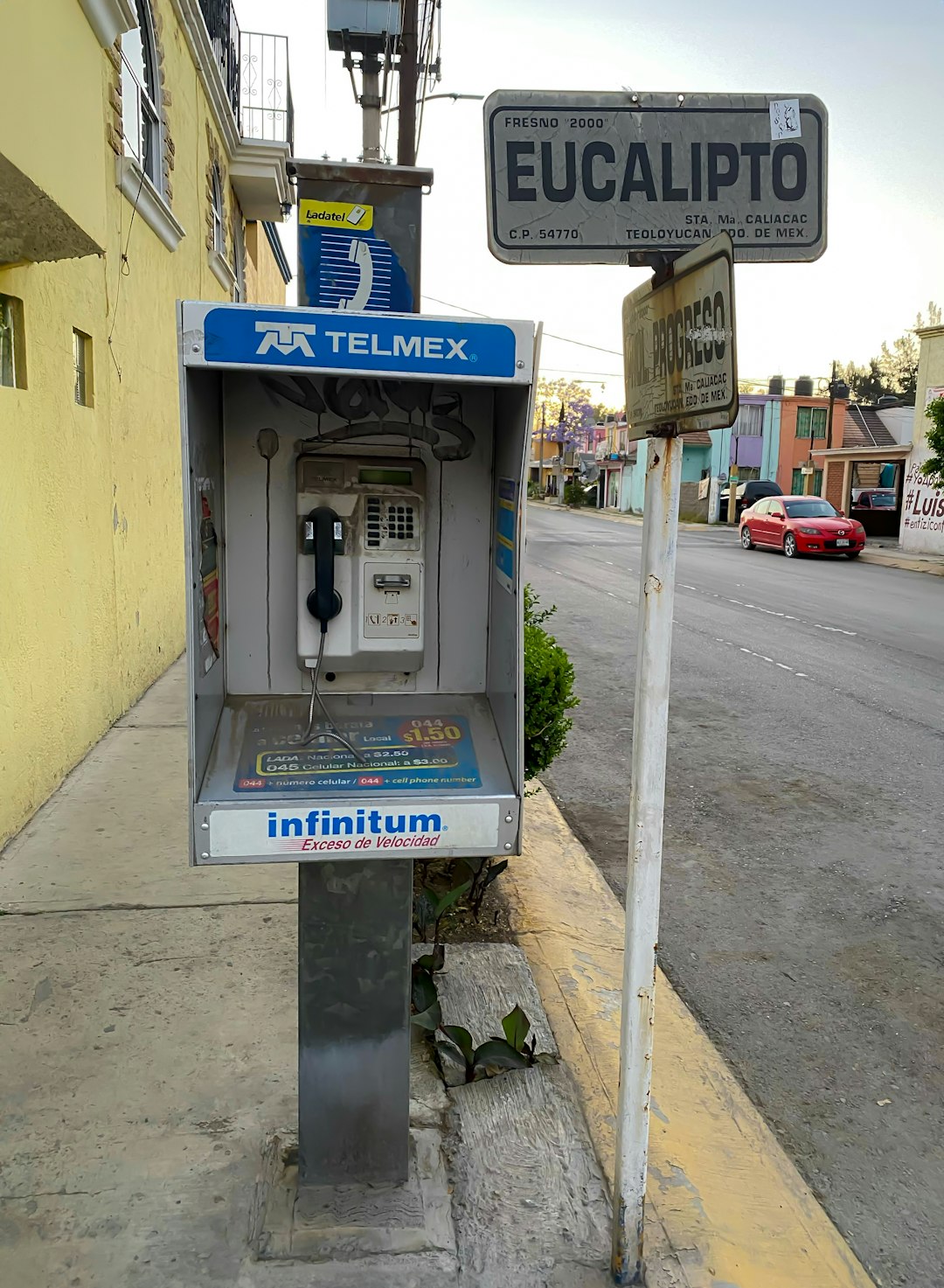
In the digital age, robocalls have become a pervasive nuisance, with many Pennsylvania residents facing an unprecedented surge in automated telemarketing calls. While these calls can be frustrating and intrusive, state laws offer robust protections and practical solutions for citizens to regain control of their phone lines. One effective strategy involves understanding and utilizing the Do Not Call Registry, a powerful tool maintained by the Federal Trade Commission (FTC). By registering your number, you can significantly reduce the volume of robocalls received, as it legally prohibits telemarketers from calling residents who have opted out.
For those already plagued by unwanted calls, taking proactive measures is crucial. A robust approach involves employing specialized apps and tools designed to block or filter these automated messages. Many such applications use advanced algorithms to identify and silence robocalls before they disturb your day. Additionally, consulting with a robocall attorney Pennsylvania can provide tailored guidance on legal options available, including seeking damages for harassing calls, which can serve as a powerful deterrent for telemarketers. These practical strategies, combined with the protections offered by state and federal laws, empower Pennsylvania residents to reclaim their communication channels from relentless automated intrusions.
Enforcing the Rules: Role of a Robocall Attorney PA

In Pennsylvania, the fight against unwanted robocalls has taken on new significance with the proliferation of automated calling technologies. The state has implemented robust legal frameworks to protect consumers from these intrusive practices, empowering individuals to take action against violators. Central to this protective network is the role of a robocall Attorney Pennsylvania. These legal experts specialize in navigating the intricate web of regulations designed to curb excessive robocalling, ensuring that businesses operate within ethical and legal boundaries.
A robocall Attorney Pennsylvania serves as a bulwark for consumers whose privacy and peace are disrupted by relentless automated calls. They possess a deep understanding of state laws like the Telephone Consumer Protection Act (TCPA), which restricts the use of automated dialing systems without prior consent. Through strategic litigation, these attorneys enforce compliance with TCPA regulations, holding accountable those who disregard consumer rights. For instance, class-action lawsuits initiated by robocall Attorney Pennsylvania have led to substantial financial penalties for companies found guilty of mass-scale illegal robocalling campaigns.
Practical advice for consumers facing persistent robocalls is paramount. The first step is to document each call, noting the caller's identity and the content of the message. This evidence can be invaluable when reporting violations to the Pennsylvania Attorney General's Office or filing a legal claim. Additionally, consumers should review their call history regularly for any suspicious activity and consider implementing blocking apps or services designed to mitigate robocalls. By combining legal expertise with proactive measures, Pennsylvanians can reclaim control over their communication channels, ensuring that their peace is not disrupted by unwanted intrusions from automated callers.
Related Resources
Here are some authoritative resources related to Pennsylvania laws protecting against unwanted robocalls:
Pennsylvania Attorney General's Office (Government Portal): [Offers official legal guidance and resources regarding consumer protection in Pennsylvania.] - https://www.attorneygeneral.gov/
Federal Trade Commission (FTC) (Government Agency): [Provides national resources on stopping spam calls, including legal authority and consumer tips.] - https://www.consumer.ftc.gov/
Consumer Reports (Non-profit Organization): [A trusted source for consumer advocacy, offering detailed guides and analysis of consumer protection issues.] - https://www.consumerreports.org/
University of Pennsylvania Law School (Academic Institution): [Offers legal scholarship and insights into privacy law and its implications for robocalls.] - https://www.law.upenn.edu/
National Do Not Call Registry (Government Service): [Allows consumers to register their phone numbers and reduce the volume of unwanted calls.] - https://donotcall.gov/
Better Business Bureau (Industry Association): [Promotes ethical business practices, including guidelines for telemarketing and robocalls.] - https://www.bbb.org/
About the Author
Dr. Emma Wilson is a renowned legal expert specializing in consumer protection, with a particular focus on Pennsylvania's robocall laws. She holds a J.D. from Harvard Law School and an M.S. in Data Privacy. As a contributing writer for The Legal Times, Emma provides insightful analyses on anti-spam legislation. Her expertise lies in guiding individuals on navigating unwanted calls and ensuring compliance with state regulations. Active on LinkedIn, she offers valuable insights to a global audience, fostering discussions on digital privacy rights.